.svg)
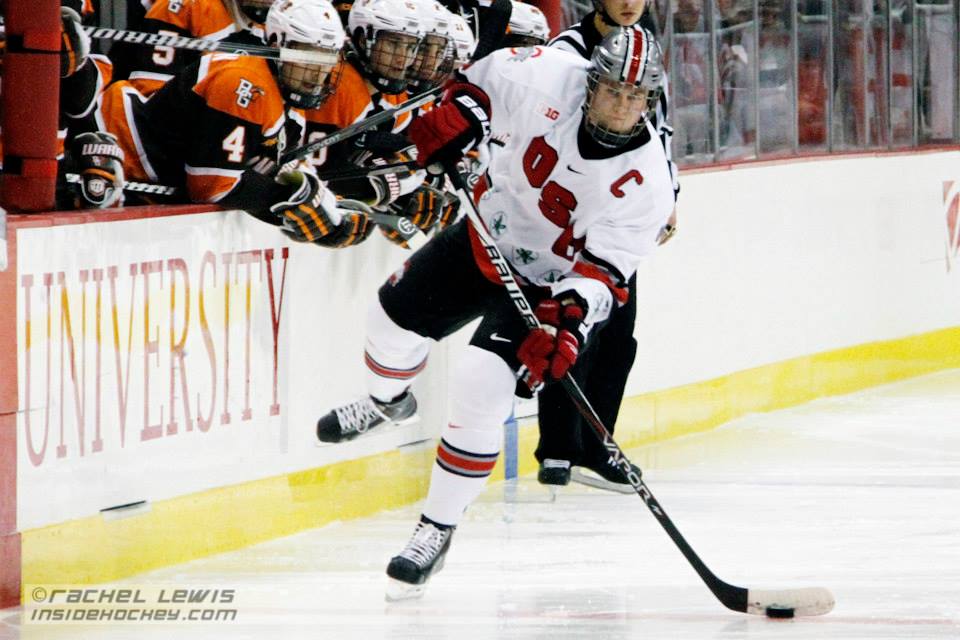
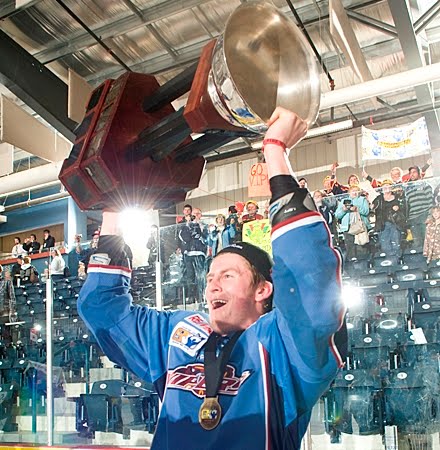
I spent six years playing pro hockey before I sold my first house. Most people see those as two completely different worlds. They're not. The skills that kept me on a roster from junior through the DEL are the exact same ones closing real estate deals in Kelowna today.
Here's what I mean.
Lesson 1: The room tells you everything before anyone speaks.
Walking into a dressing room before a game, you can tell within thirty seconds who's nervous, who's locked in, and who's about to have a rough night. You don't need anyone to say a word. Body language, eye contact, where guys are sitting, whether the music's on. It's all there.
A negotiation is the same. When I walk into a showing or sit across the table for an offer presentation, I'm reading the room before I open my mouth. Are the sellers leaning in or crossed-arms? Is the agent on the other side glancing at their phone? Are the buyers asking real questions or trying to look bored on purpose? That information shapes how I move next, and it never shows up in the listing or the contract.
Lesson 2: You don't win by swinging hardest. You win by knowing when to push.
Young players come into pro hockey thinking they need to dominate every shift. The good ones figure out fast that the game is about timing. You pick your moments. You read the play. You wait for the gap to open and then you go.
Real estate deals work the same way. There's a moment in every negotiation where you have leverage and a moment where you don't, and they trade back and forth more than people realize. Newer agents miss it because they're trying to push the whole way through. After enough deals, you start to feel when the other side has settled and when they're still moving. That's when you press, and the rest of the time you sit on the puck.
Lesson 3: Preparation is the part nobody sees, and it's the part that wins.
Game day looks like the work. It isn't. The real work is everything that happens before. Tape sessions, video on the other team, off-ice training, recovery, sleep. By the time the puck drops, the outcome is already mostly decided.
Same in real estate. By the time we're at the offer table, the deal is largely already won or lost based on how well I prepped my client, how thoroughly I understood the comparable sales, what I know about the listing agent's track record, and what condition the home was actually presented in. Showing up isn't the work. Showing up prepared is.
Lesson 4: Bad bounces happen. The next shift is what matters.
Every player has been on the wrong end of a bad shift. A bounce that doesn't go your way, a turnover at the worst possible moment, a goal you'll see in your sleep for a week. The veterans I played with all had a version of the same line: short memory.
Deals fall through. Offers get rejected. Inspections come back with surprises that kill a contract. The agents who burn out are the ones who carry every bad shift into the next one. The ones who last put it down, learn what they need to learn, and come back the next day ready to play.
I tell every client the same thing when something goes sideways: this is one shift. We've got more.
The takeaway
Hockey didn't teach me how to write contracts or read a title document. I learned that in real estate school. What it did teach me, on a level I'm not sure you can pick up any other way, is how to stay calm under pressure, read people quickly, and play the long game. That's what shows up for my clients in Kelowna, West Kelowna, Lake Country, and Peachland every week.
If you're thinking about a move this year, whether you're buying, selling, or just trying to figure out where the market actually is, I'd be glad to talk it through. No pressure, no pitch. Just a conversation.
Reach me anytime.
Curtis Gedig
Personal Real Estate Corporation
Coldwell Banker Horizon Realty
250-899-1442
info@curtisgedig.com